Roof Replacement
Metal Roof Replacement
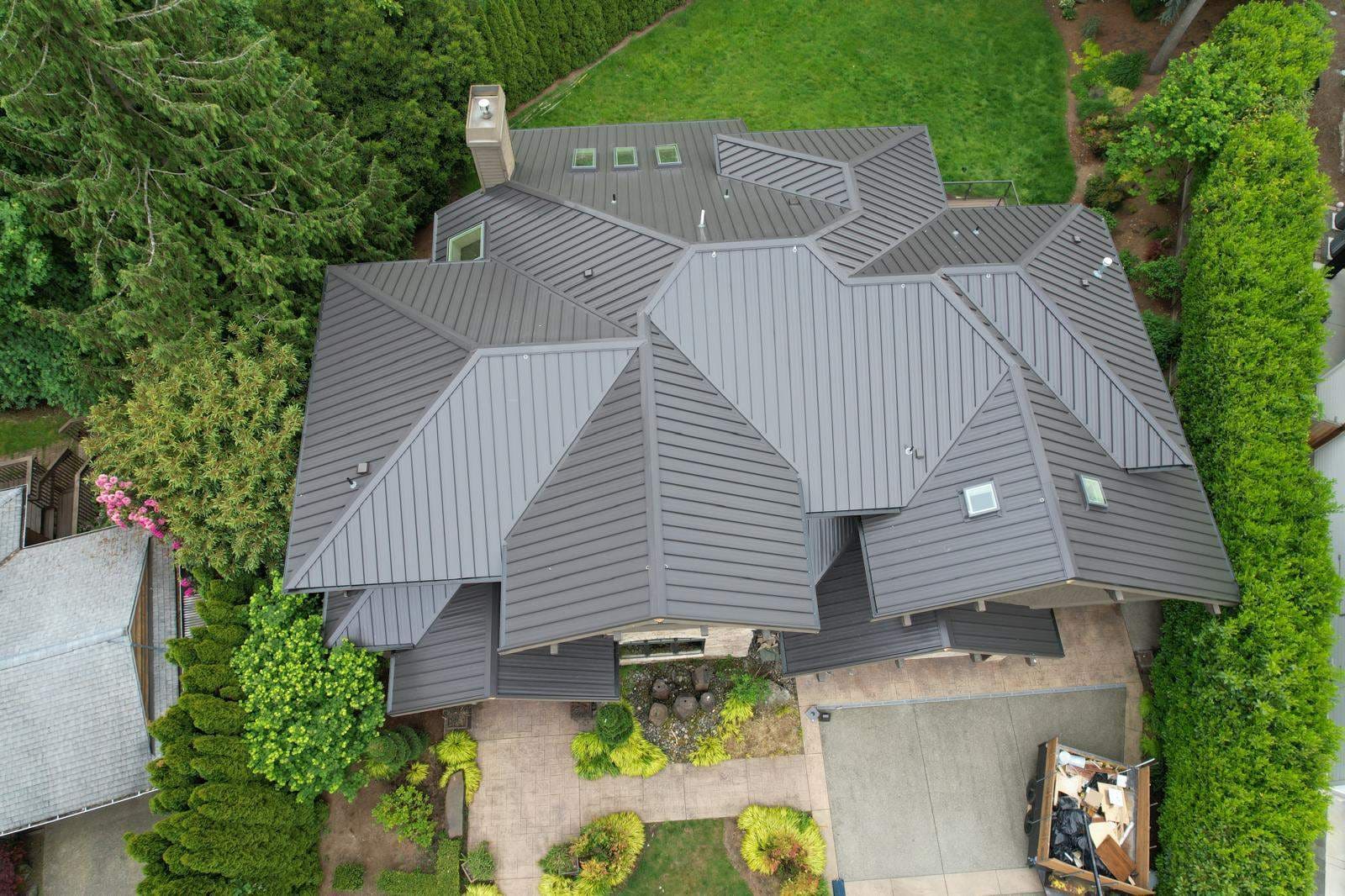
A complete metal roof replacement, from tear-off through the finished standing roof.
Project Snapshot
Service
Roof Replacement
Roof Material
Metal
Before & After
See The Difference
What This Project Involved
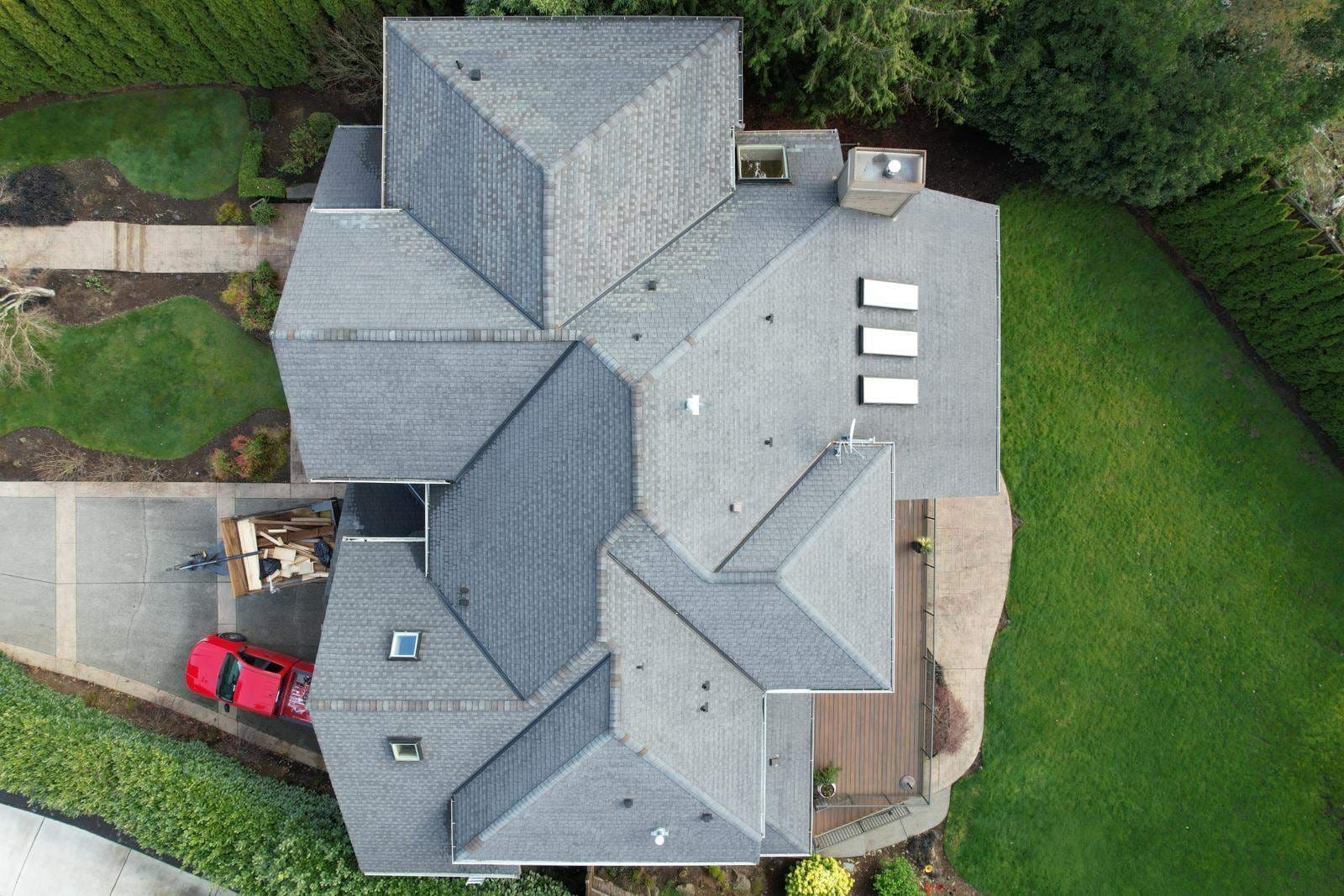
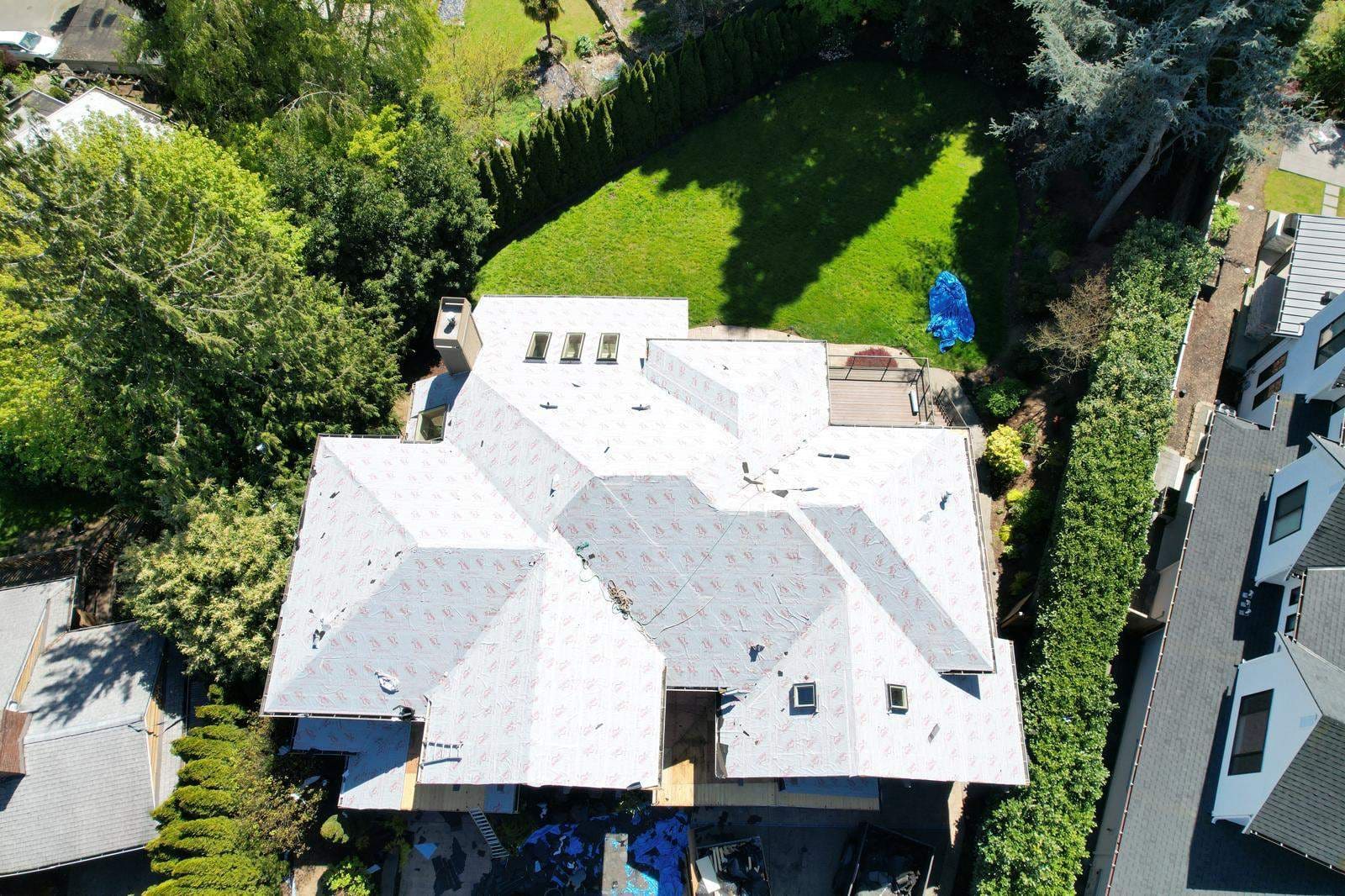
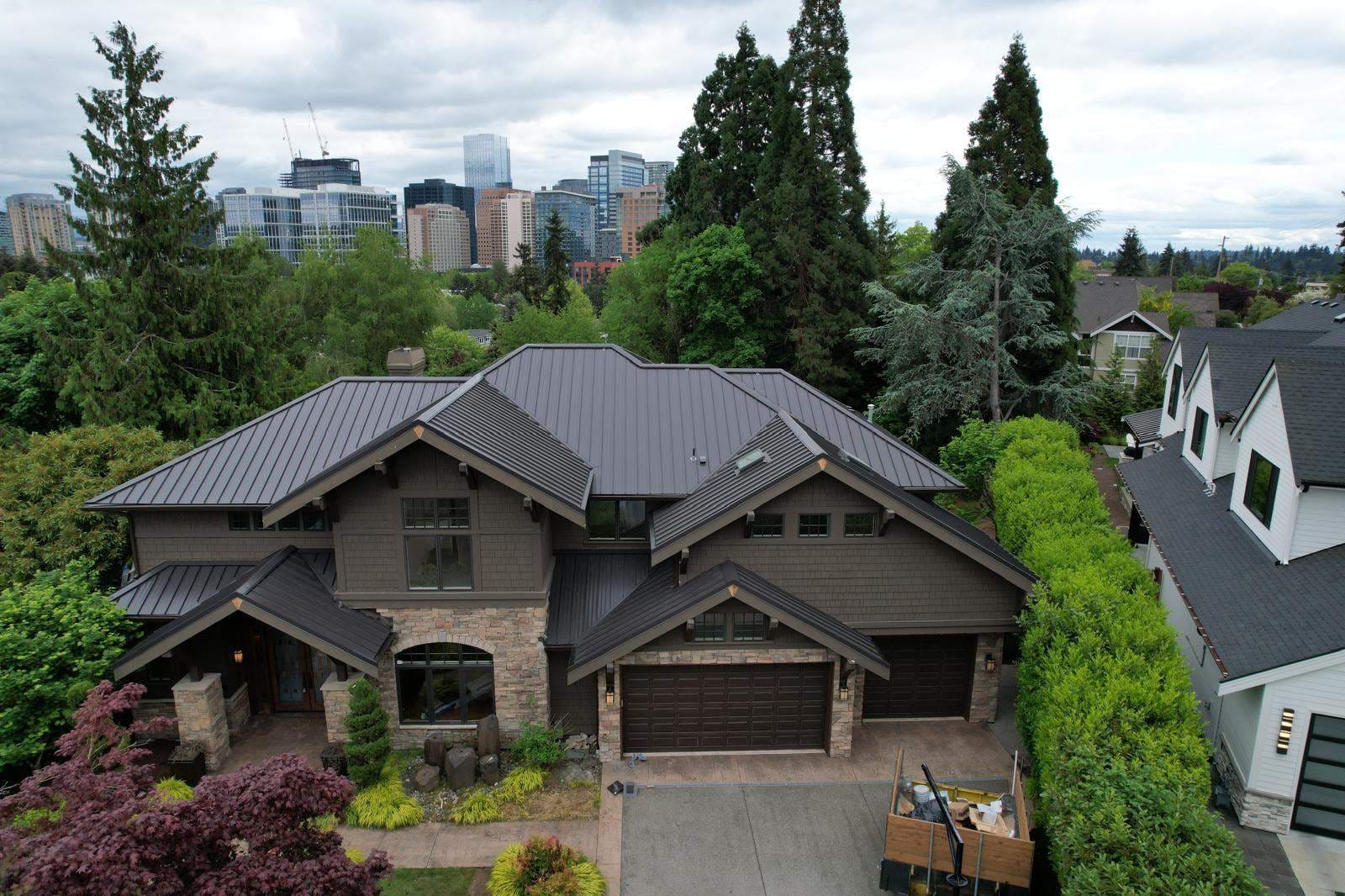
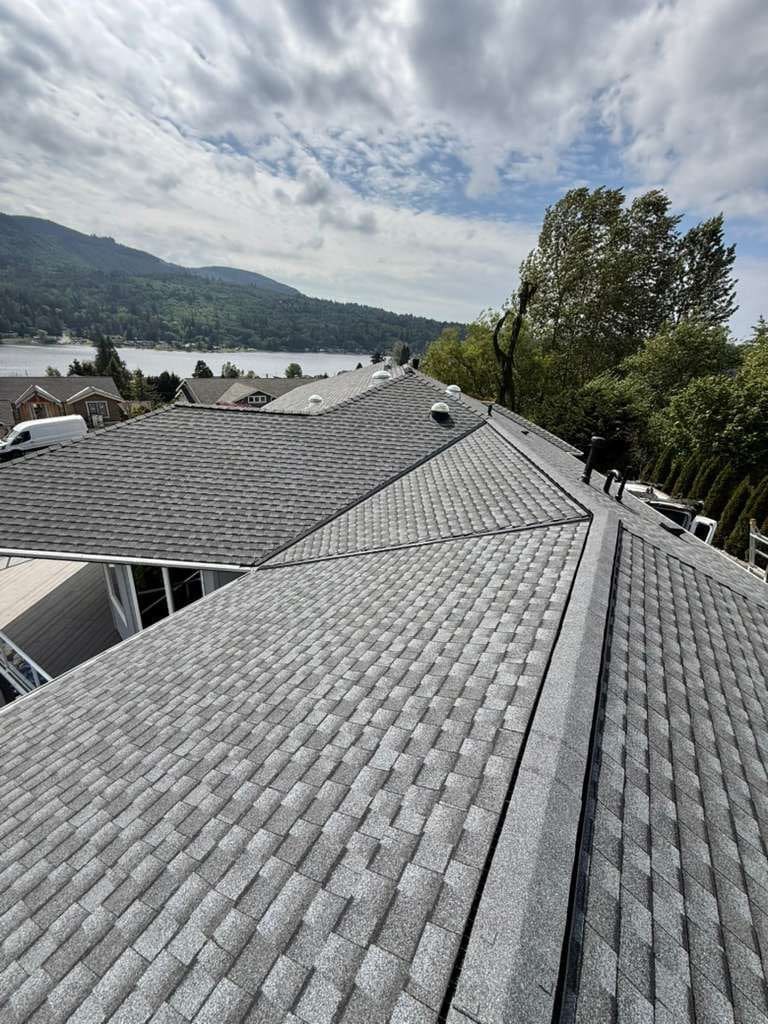
This project documents a metal roof replacement from the existing roof through tear-off, installation, and the completed system. The photos here show the property before work began, the roof mid-installation, and the finished metal roofing viewed from the ground and from above.
What Homeowners Can Learn
From This Project
A metal roof replacement follows the same core sequence as any full replacement: tear-off, a look at the deck underneath, then installation to the manufacturer's specifications.
Aerial photos after completion show the whole roofing system at once, including valleys, ridges, and penetrations that are hard to see from the ground.
The visible seams and panel lines in a finished metal roof are part of the installation method, not a defect.
Material Options
Why Homeowners Consider Metal Roofing
Metal isn't the right fit for every home or every budget, but it's worth understanding what it offers before ruling it out.
Long service-life potential
Metal roofing systems are generally built to last longer than a standard asphalt shingle roof, when installed correctly and maintained.
Weather resistance
A properly installed metal roof sheds rain efficiently and holds up well to the wind and wet conditions common in Western Washington.
Lower routine maintenance
Metal roofs don't grow moss the way shingles can, which can mean less routine upkeep over time, though gutters and flashing still need attention.
Clean architectural appearance
Standing-seam and panel profiles give a home a distinct, modern look that some homeowners specifically want.
Snow and rain shedding
The smooth surface and steeper effective pitch of many metal systems help snow and heavy rain shed off the roof quickly.
Higher initial investment
Metal roofing typically costs more upfront than asphalt shingles. Homeowners weigh that against the potential for a longer service life before deciding.
Compare Your Options
Metal Roof vs. Asphalt Shingles
Neither material is universally better. The right choice depends on the home, the budget, and what the homeowner is optimizing for.
Initial investment
Asphalt shingles cost less upfront. Metal costs more upfront but is often positioned as a longer-term investment.
Appearance
Shingles offer a traditional look in many colors and textures. Metal offers a cleaner, more modern profile.
Maintenance
Shingles can develop moss and granule loss over time. Metal generally needs less routine attention to the roofing surface itself.
Repairability
Damaged shingles are usually straightforward to replace individually. Metal panel repairs typically require a specialist familiar with the system.
Installation
Shingle installation is common and widely understood. Metal installation requires specific technique and experience to get flashing and seams right.
Homeowner goals
Homeowners planning to sell soon may prioritize upfront cost. Homeowners planning to stay long-term may weigh service life more heavily.
Before You Decide
When Does A Metal Roof Make Sense?
A metal roof tends to make the most sense for homeowners planning to stay in their home for a long time, who want to minimize how often they think about their roof, or who specifically want the look of a standing-seam or panel system.
It's less likely to make sense as a like-for-like swap when budget is the primary constraint, since the upfront cost is meaningfully higher than an asphalt shingle replacement. An inspection and a straight conversation about your goals is the best way to figure out which direction fits your situation.
What We Look For
What A Professional Installation Should Address
The quality of a metal roof depends heavily on the installation itself, not just the material. A professional installation should account for:
Roof deck condition
The deck underneath needs to be sound before new roofing goes on top of it.
Flashing and details
Flashing at valleys, edges, and transitions is where most roof leaks originate if it's done poorly.
Penetrations
Vents, chimneys, and other penetrations need panel-specific flashing to stay watertight.
Water management
Proper overlap, fastening, and drainage paths keep water moving off the roof instead of under it.
Ventilation
Attic ventilation affects how the roofing system performs over time and shouldn't be an afterthought.
Manufacturer installation requirements
Metal roofing manufacturers specify exact installation methods. Following them is what keeps any manufacturer warranty valid.
Project Gallery
Next Project
Ready To Talk About Your Roof?
Free estimates for homeowners across King County, Snohomish County, and Skagit County.
24-Hour Service · Financing Available